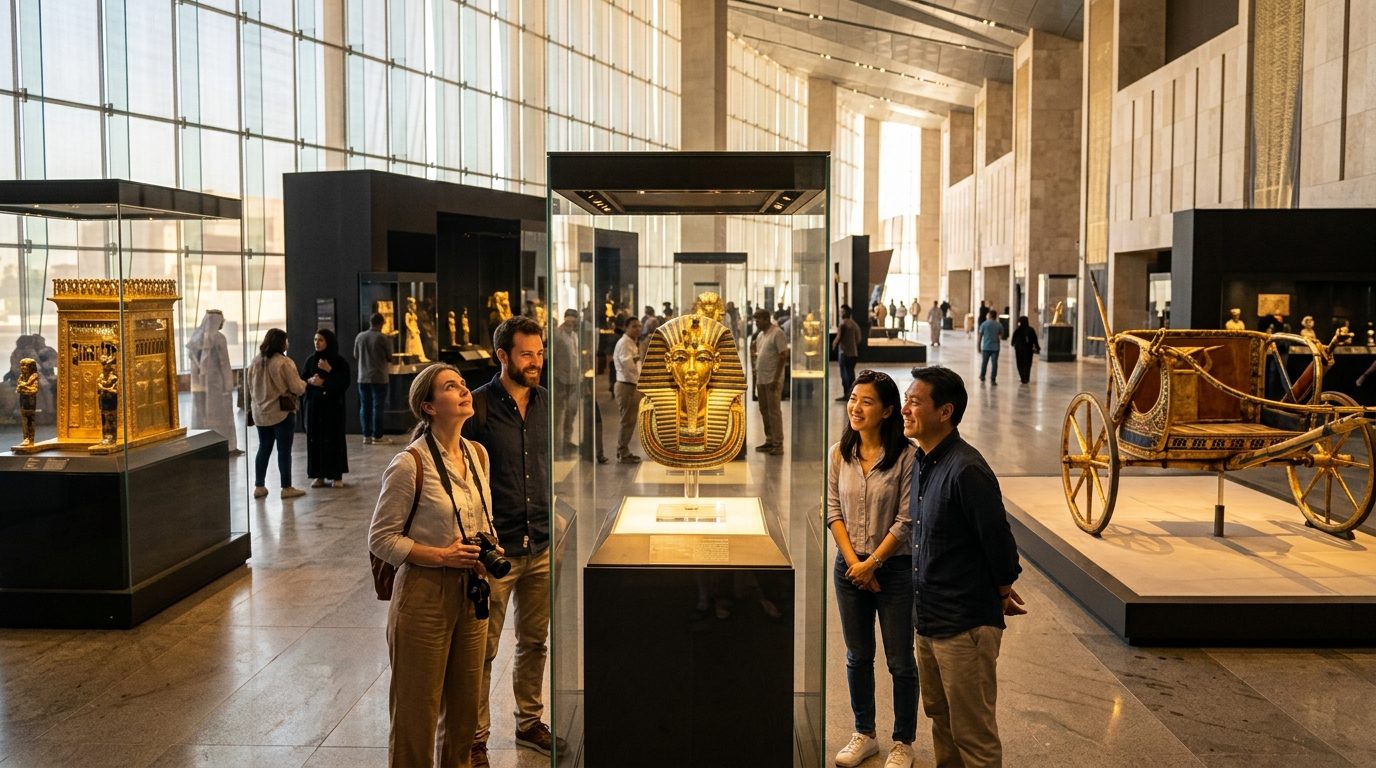


Introduction to Upper Egypt's Timeless Wonders
While Egypt's Red Sea coastline dazzles visitors with endless turquoise waters, vibrant coral reefs, and the year-round sunny climate of Hurghada, just a few hours inland lies the world’s greatest open-air museum. Transitioning from the modern beach resorts of El Gouna, Sahl Hasheesh, and Makadi Bay into the ancient heartland of Upper Egypt is a journey across millennia. Whether you are taking a break from coastal water sports, scuba diving, and desert quad safaris, exploring the Nile Valley reveals monumental pylons, underground royal tombs, and breathtaking temples that have stood resilient against the desert winds for over three thousand years.
As the Senior Egypt & Red Sea Travel Specialist, I have designed this definitive 2026 itinerary for travelers who want to dive deep into ancient history without sacrificing modern comfort. From the legendary East and West Banks of Luxor down to the tranquil granite cataracts of Aswan and the colossal statues of Abu Simbel, this guide provides updated archaeological insights, practical ticket price ranges, photography tips, and essential logistics for your ultimate voyage.
Day-by-Day Cultural Itinerary: Luxor & Aswan Masterplan
Day 1: The Monumental East Bank of Luxor
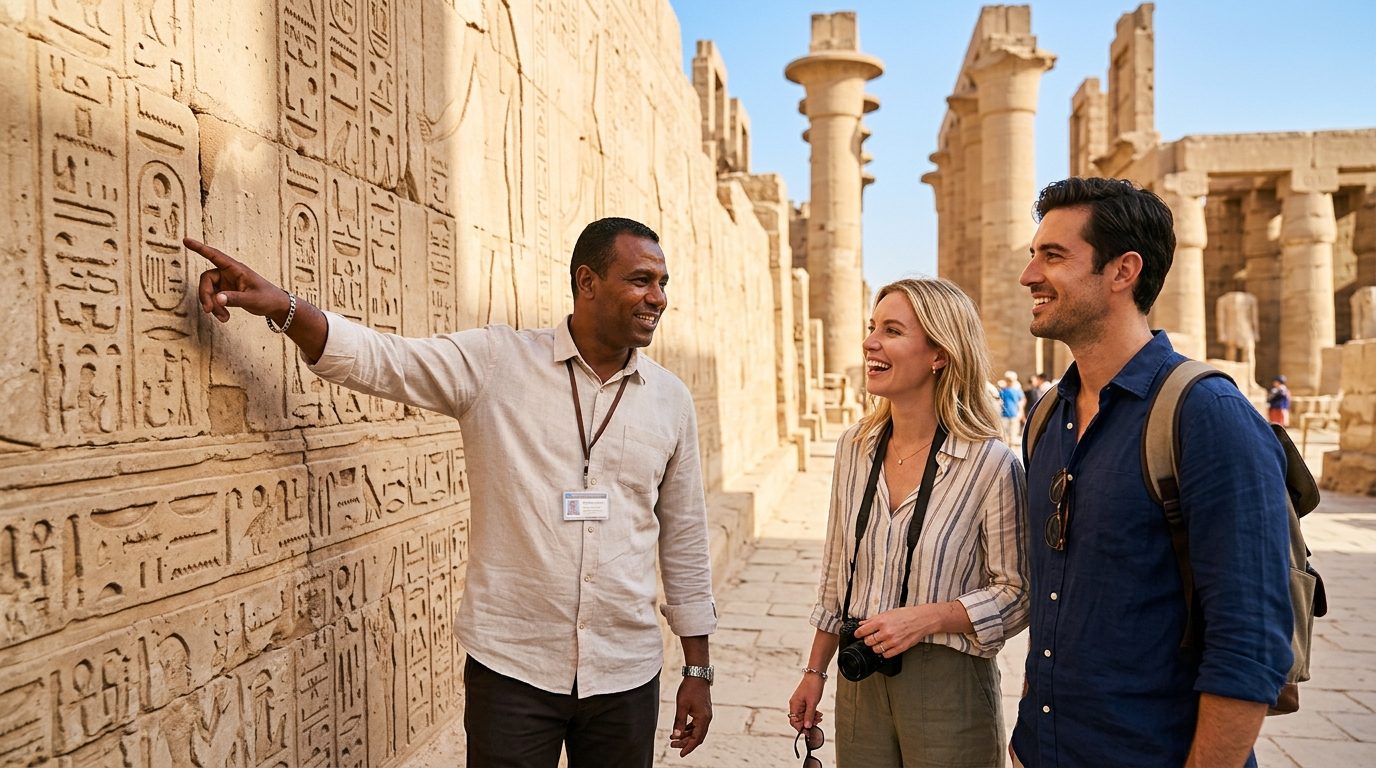
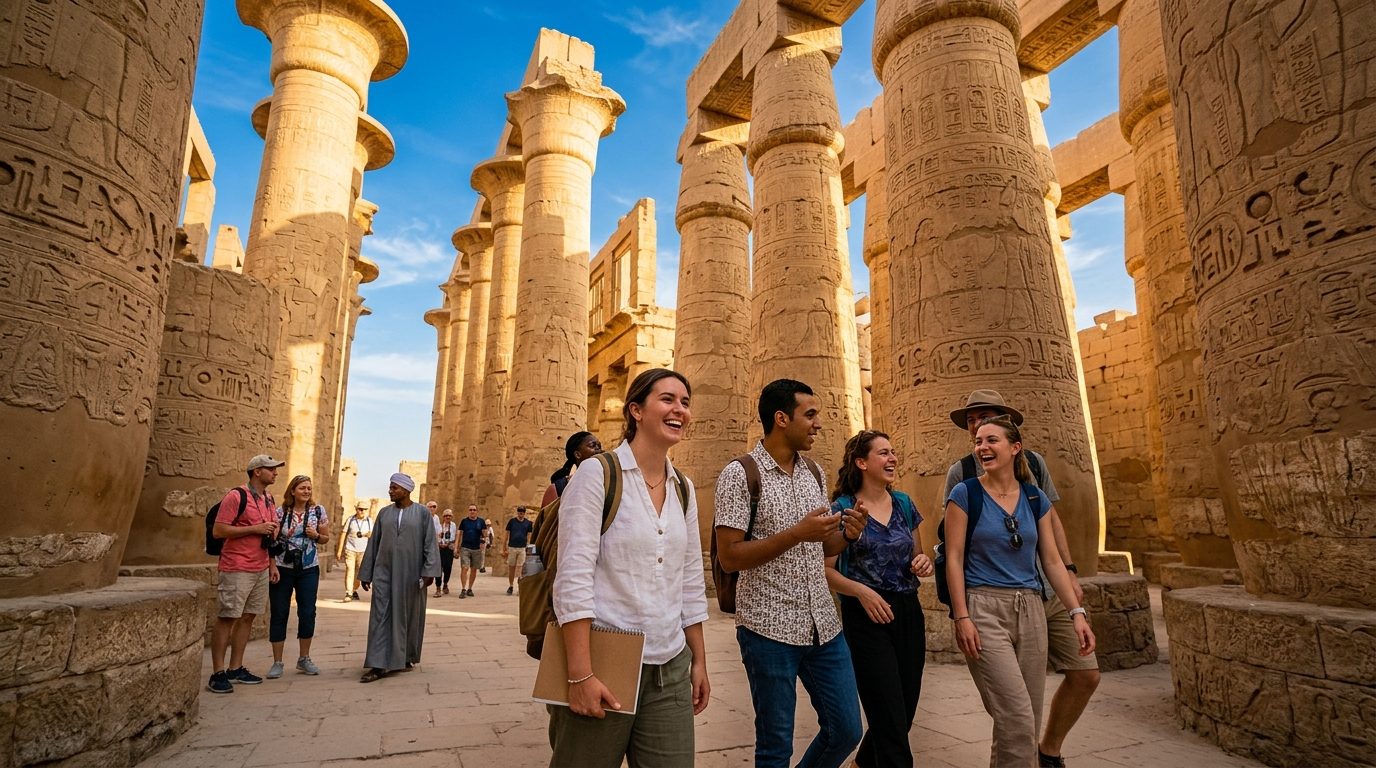
Your adventure begins in Luxor, ancient Thebes. Arriving from the Red Sea via a private transfer or domestic connection, head straight to the breathtaking Karnak Temple complex. Spanning over 100 hectares, Karnak is not a single shrine but a vast city of sanctuaries, obelisks, and the legendary Hypostyle Hall, where 134 towering sandstone columns evoke a stone forest of divine architecture.* Insider Tip: Hire an official licensed Egyptologist at the gate to decode the hieroglyphs on the processional avenues. * Afternoon: Check into your historic Nile-view hotel to freshen up before visiting Luxor Temple at dusk. When illuminated against the evening sky, the Avenue of Sphinxes and the towering statues of Ramesses II take on an ethereal, golden glow.
Day 2: The Theban Necropolis and Sunrise Hot Air Balloon
Rise before dawn for one of Egypt's most iconic experiences: a sunrise hot air balloon flight drifting peacefully over the West Bank. Floating silently thousands of feet above the Valley of the Kings, you will watch the first rays of sunlight illuminate the rugged desert peaks and the lush green agricultural strip bordering the Nile.Following your landing, descend into the Valley of the Kings. In 2026, newly restored royal tombs feature advanced LED lighting that highlights the remarkably vibrant pigments on the limestone walls, which have remained intact for over 3,000 years. Expect entry tickets to range from $15 to $25 USD per person, with separate special tickets required for elite tombs like those of Seti I or Tutankhamun. Conclude your day exploring the magnificent Mortuary Temple of Queen Hatshepsut at Deir el-Bahari and the towering Colossi of Memnon.
Day 3: Journey Upriver via Edfu and Kom Ombo
Board a traditional Nile dahabiya or a scenic microbus transfer heading south toward Aswan. Stop along the way at the Temple of Edfu, dedicated to the falcon god Horus, recognized as the best-preserved cult temple in all of Egypt. Continue onward to the double temple of Kom Ombo, uniquely shared by the crocodile god Sobek and the falcon god Haroeris, perched dramatically overlooking a sweeping bend in the Nile.Day 4: Aswan Highlights – Philae, the High Dam, and Nubian Heritage
Aswan offers a serene, laid-back atmosphere defined by granite islands and felucca sails. Begin your morning exploring the mesmerizing Temple of Philae, dedicated to the goddess Isis, which was painstakingly relocated stone by stone to Agilkia Island to save it from rising waters. Afterward, wander through the colorful alleyways of a vibrant Nubian village on the West Bank, enjoying spiced hibiscus tea (karkadeh) and traditional hospitality.Day 5: The Masterpiece of Abu Simbel
No Upper Egypt expedition is complete without visiting the Sun Temple of Ramesses II at Abu Simbel. Situated near the Sudanese border, these colossal rock-cut facades flanked by four seated pharaohs are an engineering marvel of both ancient and modern times (having been relocated in the 1960s to prevent flooding). Most travelers depart Aswan on an early morning convoy around 4:00 AM, arriving just as the desert sun hits the temple face."When exploring the royal tombs in the Valley of the Kings, resist the temptation to touch the painted walls. The natural oils on human hands accelerate the oxidation of ancient mineral pigments. Carry a small high-powered LED flashlight or smartphone light filter to inspect the fine incised details hidden in darker alcoves."
Live Booking & Price Breakdown
Planning your logistical connections and excursions ahead of time guarantees a seamless travel experience across Egypt. For travelers balancing archaeological exploration with Red Sea adventures—such as island boat trips, snorkeling excursions, scuba diving, and desert quad or buggy safaris—you can check live seasonal schedules and family discounts with guaranteed hotel pickup directly through Magic Tours Red Sea Excursions.
When securing your luxury accommodations in Hurghada, El Gouna, Sahl Hasheesh, or Makadi Bay before or after your Nile trip, be sure to compare live room rates, verified guest reviews, and comprehensive all-inclusive packages on Trip.com Hotels.
Essential Traveler Logistics
* Best Time to Visit: The cooler winter months from October to April offer pleasant daytime temperatures ideal for desert exploration. Summer months can exceed 40°C (104°F) in Luxor and Aswan. * Flight Logistics: International travelers frequently fly into Hurghada International Airport (HRG) or Cairo. Compare direct flights and charter schedules using major online flight aggregators to secure the best connection. * Tipping Etiquette (Baksheesh): Small tips are a standard cultural practice in Egypt for service workers, bathroom attendants, and temple guards. Keep a stash of small Egyptian Pound notes handy. * Photography Permits: Standard cameras are permitted at most sites, but professional tripods and video recording inside certain tombs may require additional permits or ticket upgrades.