Middle East Travel & Tourism Faces Temporary Headwinds But Remains the World's Strongest Long-Term Growth Story
The global travel landscape is witnessing a historic realignment, with the Middle East establishing itself at the epicenter of international tourism development. According to the latest comprehensive market assessments by the World Travel & Tourism Council (WTTC), while the region currently navigates transient geopolitical uncertainties and localized market fluctuations, its foundational fundamentals remain unmatched. Over the next decade, the Middle East is positioned to be the fastest-growing travel and tourism economy on Earth, powered by multi-billion-dollar state investments, sweeping visa reforms, and an unprecedented expansion of cultural and ecological infrastructure.
Industry leaders emphasize that the current headwinds—predominantly shaped by evolving regional dynamics, localized flight rerouting, and fluctuating global interest rates—represent minor speed bumps along a decade-long trajectory of record-breaking expansion. As global travelers seek out pristine heritage sites, cutting-edge luxury, and seamless connectivity, the Middle East continues to convert bold national visions into operational reality.
Navigating Current Market Fluctuations and Regional Dynamics
The WTTC highlights that the resilience of the Middle East's travel ecosystem has been systematically stress-tested over past cycles, consistently emerging stronger. While regional tensions have introduced short-term unpredictability to visitor confidence in select corridors, core travel hubs such as Dubai, Abu Dhabi, Doha, and Riyadh have maintained remarkable operational stability and high inbound passenger volumes.
Aviation infrastructure remains a cornerstone of this resilience. Flagship carriers including Emirates, Qatar Airways, Etihad, and Saudia have demonstrated unparalleled agility, optimizing intercontinental transit routes connecting the Americas, Europe, Asia, and Africa. Furthermore, intra-regional connectivity is surging, bolstered by the imminent rollout of unified regional visas—often dubbed the 'GCC Grand Tours' visa—which will soon allow travelers to navigate multiple Gulf nations under a single authorization, mirroring Europe's Schengen framework.
"The long-term vision of the Middle East is not defined by short-term turbulence. Unprecedented capital expenditure in aviation, sustainable hospitality, and cultural preservation is laying the groundwork for a generational shift in global travel patterns." — World Travel & Tourism Council (WTTC)
Visionary Mega-Projects Driving Unprecedented Tourism Infrastructure
Central to the region's enduring growth story is the sheer scale of sovereign-backed capital expenditure. Unlike traditional global destinations constrained by legacy infrastructure, Middle Eastern nations are actively building future-proof tourism ecosystems from the ground up.
Saudi Arabia's Vision 2030
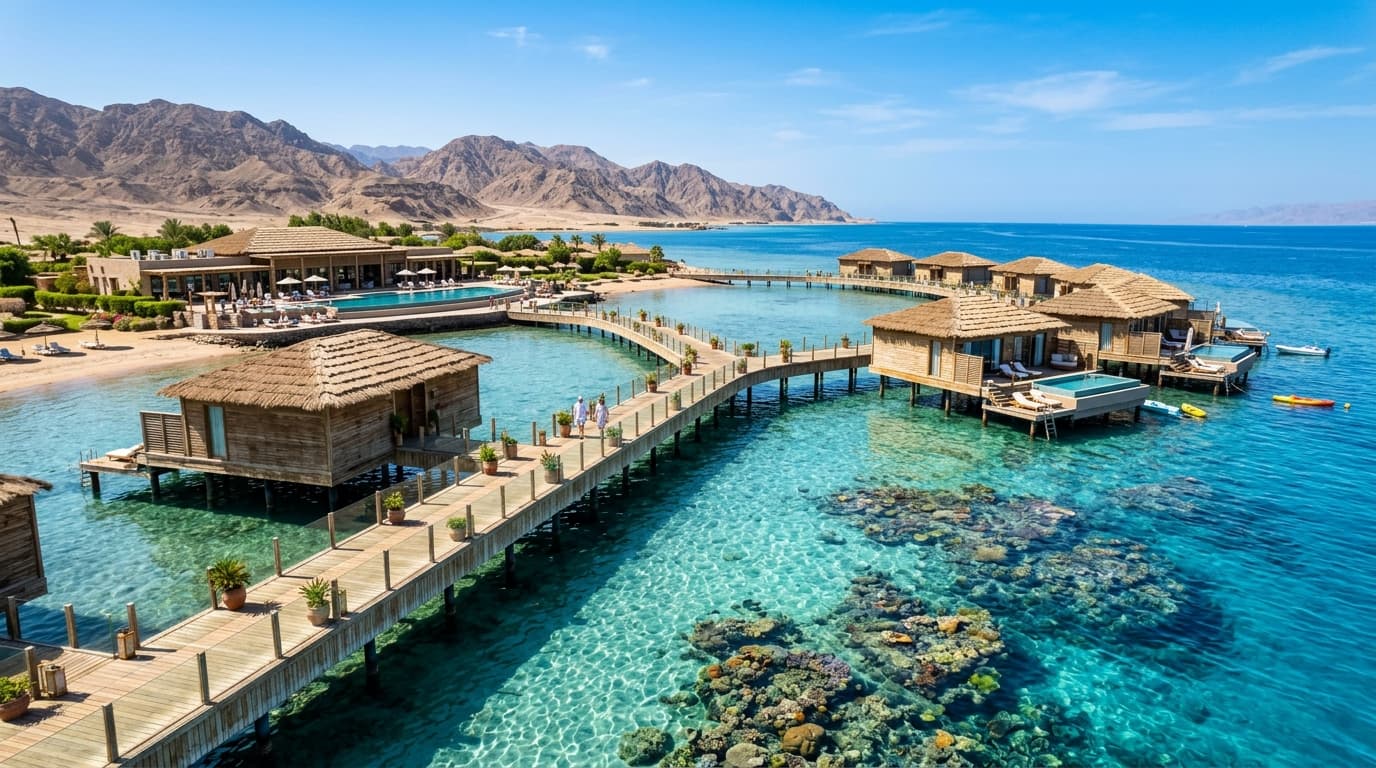
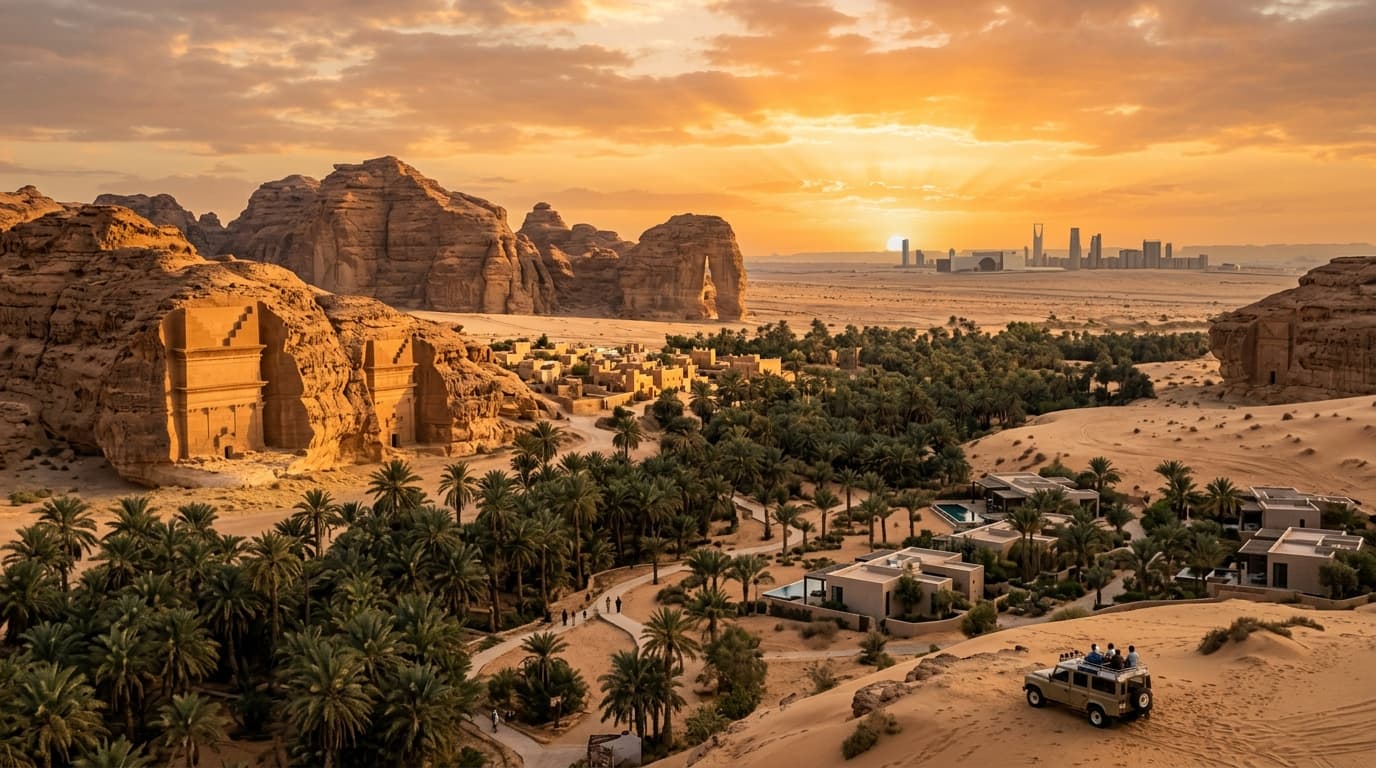
The Kingdom of Saudi Arabia stands as the most ambitious vanguard of this transformation. Through its Vision 2030 blueprint, the country is investing over $800 billion into transformative developments:The UAE and Oman: Diversification and Heritage
In the United Arab Emirates, Dubai continues to set international benchmarks for urban hospitality, while Abu Dhabi strengthens its position as a global arts capital with the Saadiyat Cultural District, home to the Louvre Abu Dhabi and the forthcoming Guggenheim Abu Dhabi. Meanwhile, Oman is capturing high-yield adventure and heritage travelers, leveraging its dramatic fjords of Musandam, the rugged peaks of the Al Hajar Mountains, and sustainable eco-lodges along the Arabian Sea.Economic Impact and Job Creation
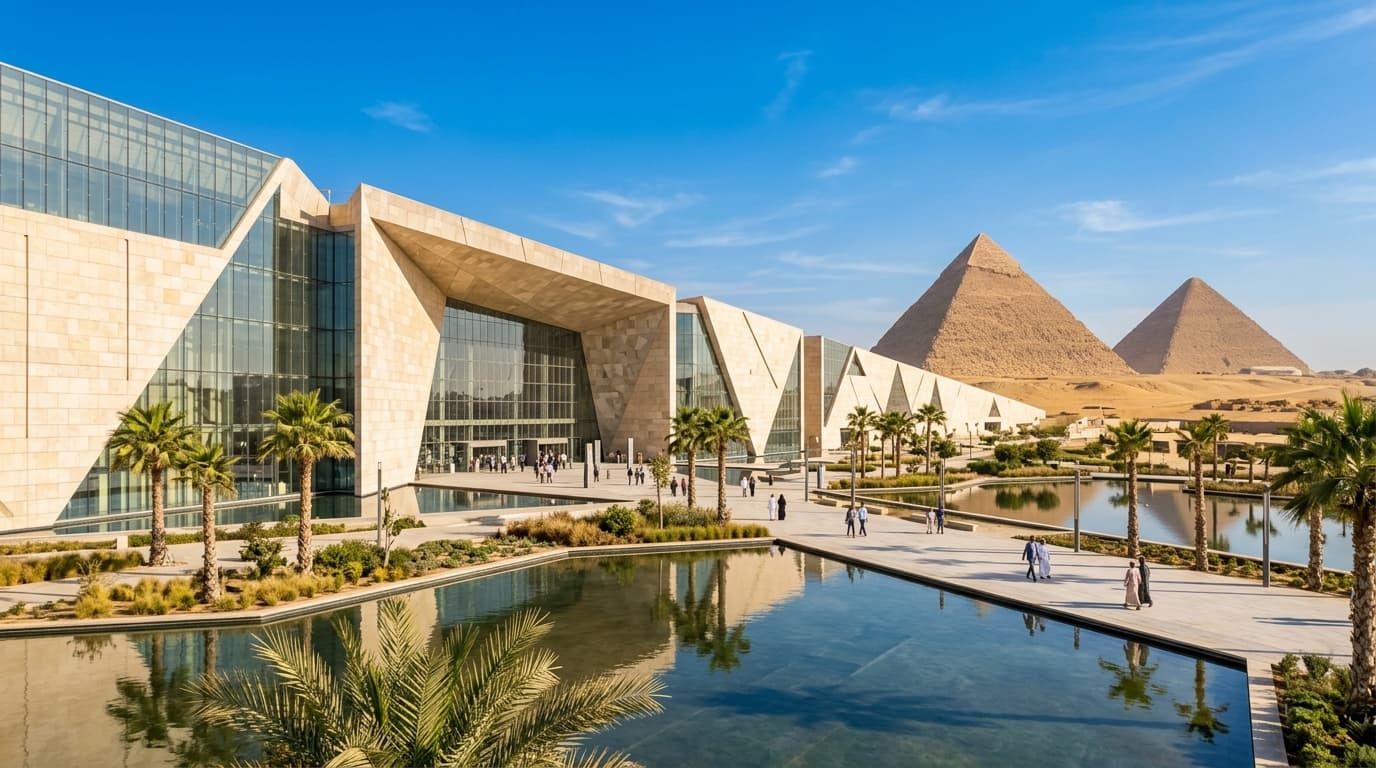
The economic implications of this sustained momentum are monumental. WTTC data indicates that Travel & Tourism's contribution to the Middle East's gross domestic product (GDP) is forecasted to grow at more than double the rate of the wider regional economy over the next ten years. This massive expansion is anticipated to generate millions of high-skilled jobs across hospitality, technology, environmental conservation, and aviation, firmly cementing tourism as a primary vehicle for economic diversification away from hydrocarbon dependence.
International hotel operators, including Aman, Rosewood, Six Senses, and Four Seasons, have committed record pipeline percentages to the region, underscoring private sector confidence in the region's trajectory.
Essential Advice for Traveling in the Middle East Today
For international travelers planning expeditions across the Arabian Peninsula and the wider Levant, navigating the region is easier and more rewarding than ever. Keep these practical recommendations in mind: