
Regional Security Synergy: How Red Sea Stability Fortifies Egypt's Thriving Tourism Sector
In a definitive statement highlighting the interconnected nature of regional peace, Egyptian President Abdel Fattah El-Sisi recently reaffirmed that the security of Saudi Arabia and the broader Gulf region is directly tied to Egypt's own national security. Speaking on crucial foreign affairs matters, El-Sisi emphasised that any threat to Gulf stability reverberates across the Arab world.
For international travelers, aviation leaders, and global tour operators, this unwavering strategic alliance between the major nations flanking the Red Sea offers profound reassurance. The collaborative security framework maintained by Cairo and Riyadh acts as a vital buffer, guaranteeing that the Red Sea corridor—a vital artery for global commerce and international leisure travel—remains a peaceful, secure, and serene sanctuary for visitors.
Red Sea Resort Security and Tourism Growth in Hurghada
The Pillar of Regional Peace
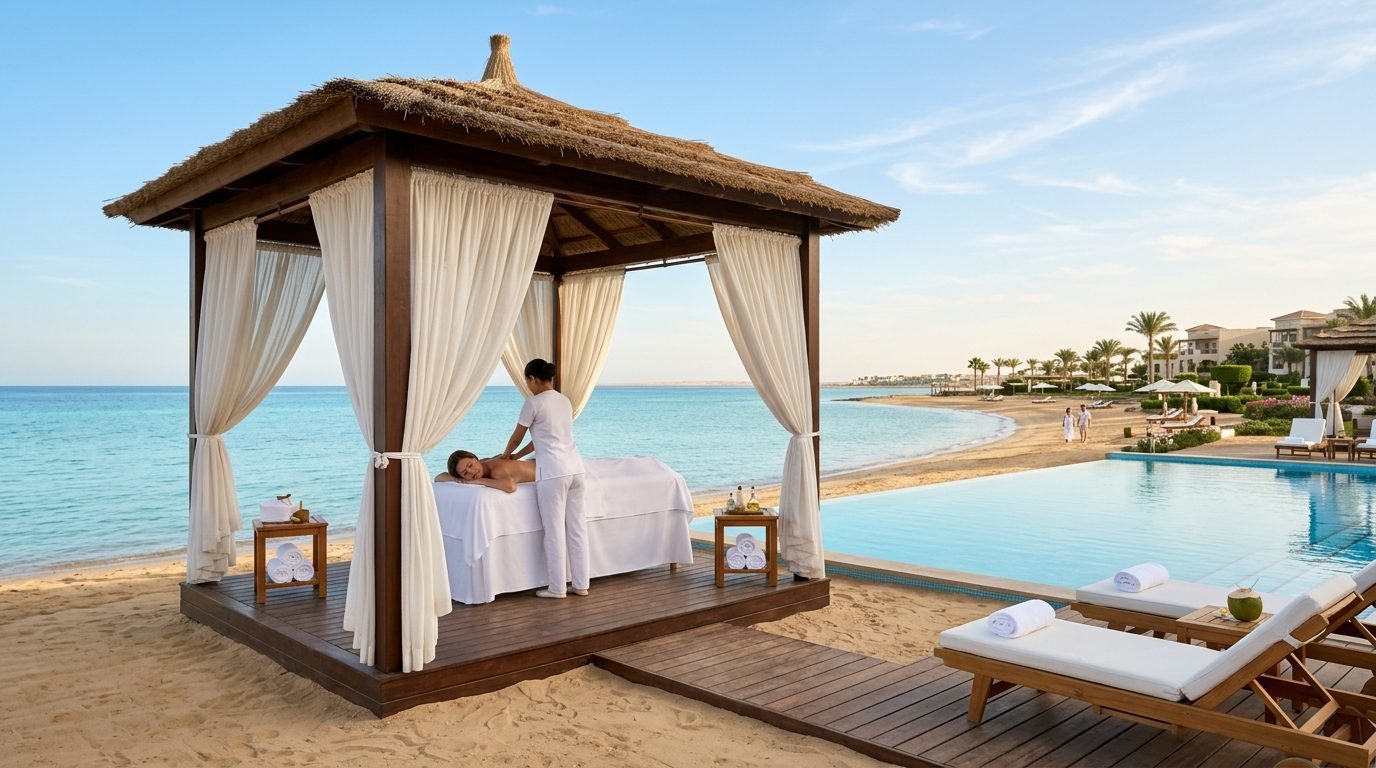
The shared maritime and air spaces of the Red Sea are subject to sophisticated defense mechanisms and joint patrolling protocols managed by Egyptian and allied forces. By prioritizing mutual stability, Egypt and Saudi Arabia maintain an environment where maritime transit and coastal tourism flourish without disruption. This state-level consensus allows travelers visiting the Red Sea Riviera to enjoy tranquil turquoise waters, pristine coral reefs, and world-class hospitality with absolute peace of mind.
Hurghada and the Red Sea Riviera: Business as Usual
Far from the localized diplomatic developments of the broader Middle East, Egypt’s premier coastal destinations—including Hurghada, El Gouna, Sahl Hasheesh, Makadi Bay, and Soma Bay—continue to experience robust holidaymaker arrivals. Hurghada International Airport (HRG) reports steady passenger volumes, driven by high demand from the United Kingdom, Germany, Central Europe, and Scandinavia.
Visitors flocking to Hurghada will find vibrant holiday atmospheres across all major luxury resorts. From windsurfing in the calm bays of Soma Bay to diving in the protected waters surrounding Giftun Island, operational activity across the tourism sector remains entirely unaffected, vibrant, and welcoming.
"The strategic security consensus between Red Sea nations provides an unshakeable framework of regional stability, reassuring international tour operators and holidaymakers that Egypt's coastal havens remain among the safest and most captivating sun-and-sea destinations in the world." — Hurghada 24 News Travel Bureau
Navigating Egypt Tourism: Flights, Experiences, and Logistics
Effortless Flight Connections from Europe
Reaching Egypt's Red Sea coast has never been more straightforward. Major European carriers, including EasyJet, TUI, Condor, Lufthansa, and EgyptAir, maintain dense direct schedules connecting hubs such as London Gatwick, Manchester, Frankfurt, Munich, and Vienna directly to Hurghada and Sharm El Sheikh. Direct flight durations of under five hours from Western Europe make the region an exceptionally accessible winter sun and summer beach escape.
Blending Coastline Luxury with Egyptian Cultural Heritage
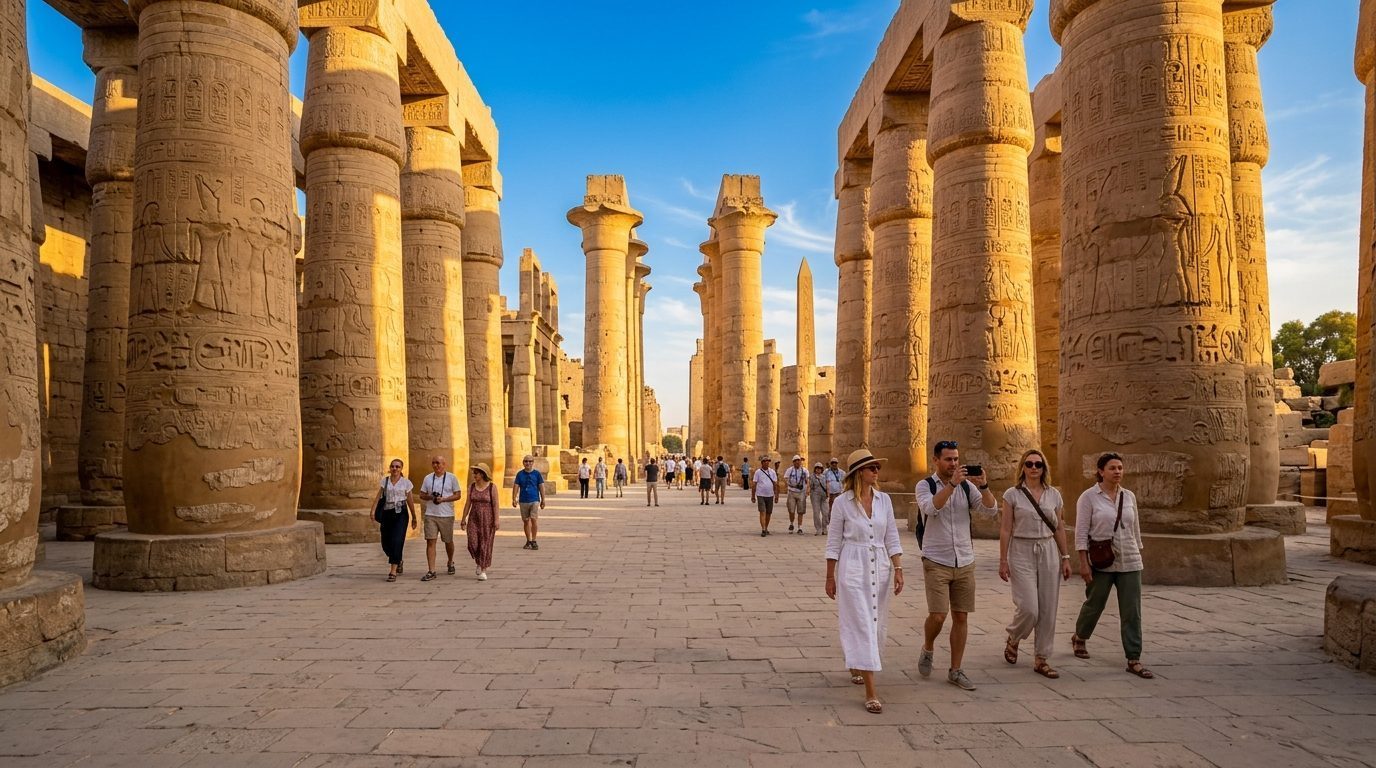
One of the unique advantages of a Red Sea vacation in Hurghada is the seamless proximity to Egypt’s extraordinary ancient treasures. Travelers can effortlessly combine a relaxing beach stay with high-value cultural excursions:
Practical Logistics for International Travelers
To ensure a seamless journey to the Red Sea, consider these essential travel guidelines:
Through firm diplomatic partnerships and rigorous national security oversight, Egypt continues to uphold its status as a premier global tourist destination, inviting travelers to explore its unmatched archaeological heritage and spectacular coastal resorts in complete safety.