Tourism's New Growth Agenda: Global Blueprint for Resilience and Sustainable Travel
The international travel and tourism sector is undergoing a profound paradigm shift. As destinations around the world grapple with the dual challenges of climate volatility and shifting traveler expectations, a new blueprint for global tourism development is taking center stage. Spearheaded by international tourism ministers and forward-thinking industry coalitions, the New Growth Agenda aims to decouple economic growth from environmental degradation, ensuring that tourism directly strengthens local communities while preserving the delicate ecosystems that draw voyagers in the first place.
Departing from outdated metrics that measured success solely through total passenger arrivals, the modern approach champions visitor value, community equity, and institutional resilience. From the lush rainforests and coral coves of the Caribbean to the ancient Mediterranean coastlines, travel leaders are executing high-impact strategies that redefine how we explore the planet.
Redefining Tourism Metrics: Moving Beyond Visitor Volume to Long-Term Value
For decades, the global tourism industry operated under a volume-driven model, celebrating year-over-year records in sheer visitor headcounts. However, escalating strain on regional infrastructure, fragile coastal biospheres, and urban centers has underscored the urgent necessity for a smarter, more sustainable framework.
The New Growth Agenda establishes innovative performance indicators that prioritize:
"The true measure of a destination's tourism success is no longer how many visitors cross its borders, but how effectively tourism revenue enriches local livelihoods and protects natural heritage for generations to come." — International Tourism Resilience Forum
Global Destination Case Studies: Pioneering Sustainable Eco-Tourism
From the Caribbean archipelago to island sanctuaries across Southeast Asia and the Pacific, pioneering destinations are already translating these principles into tangible traveler experiences:
The Caribbean Climate Resilience Initiative
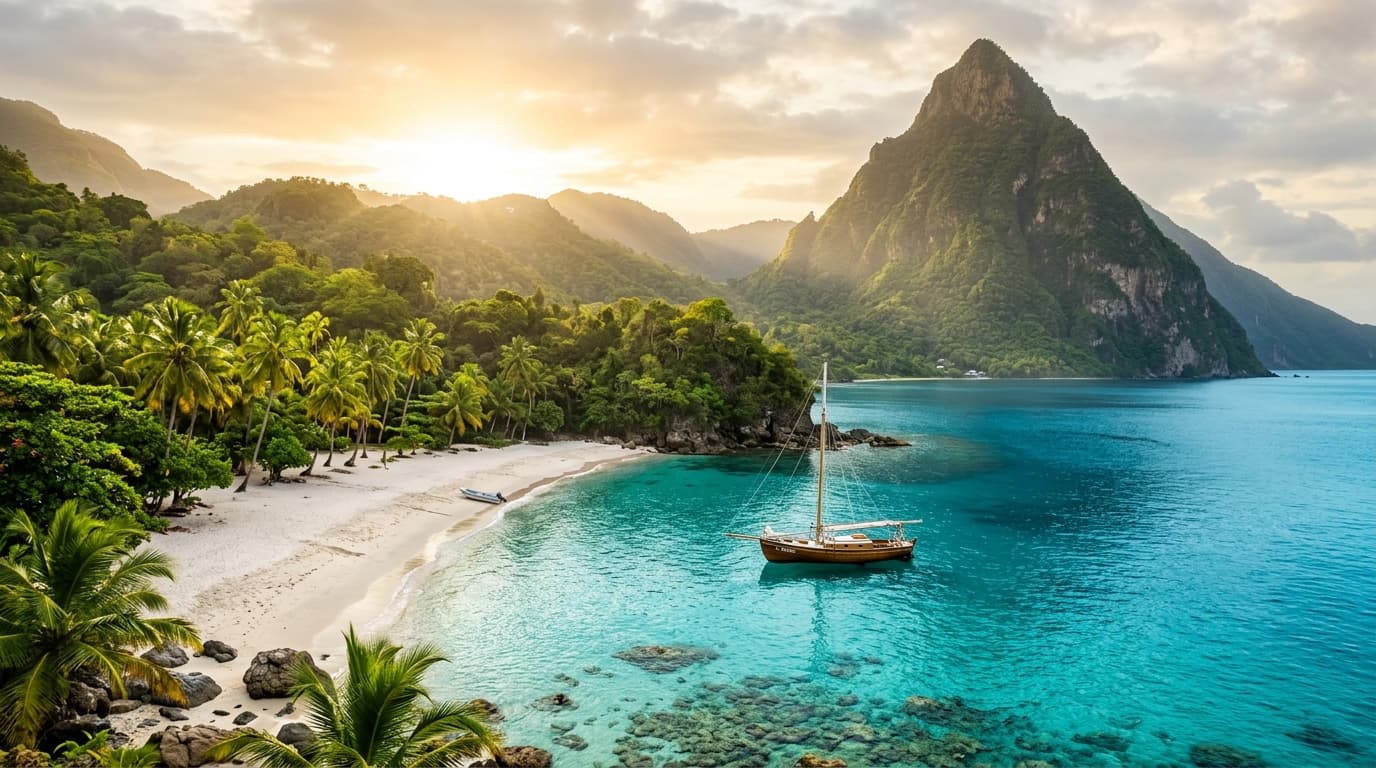
In destinations like Jamaica, St. Lucia, and Dominica, governments are partnering with private boutique eco-lodges to create marine conservation corridors. Travelers can now participate directly in coral nursery restoration dives, mangrove planting expeditions, and farm-to-table culinary trails that showcase indigenous agricultural heritage.The Mediterranean & Middle Eastern Green Corridors
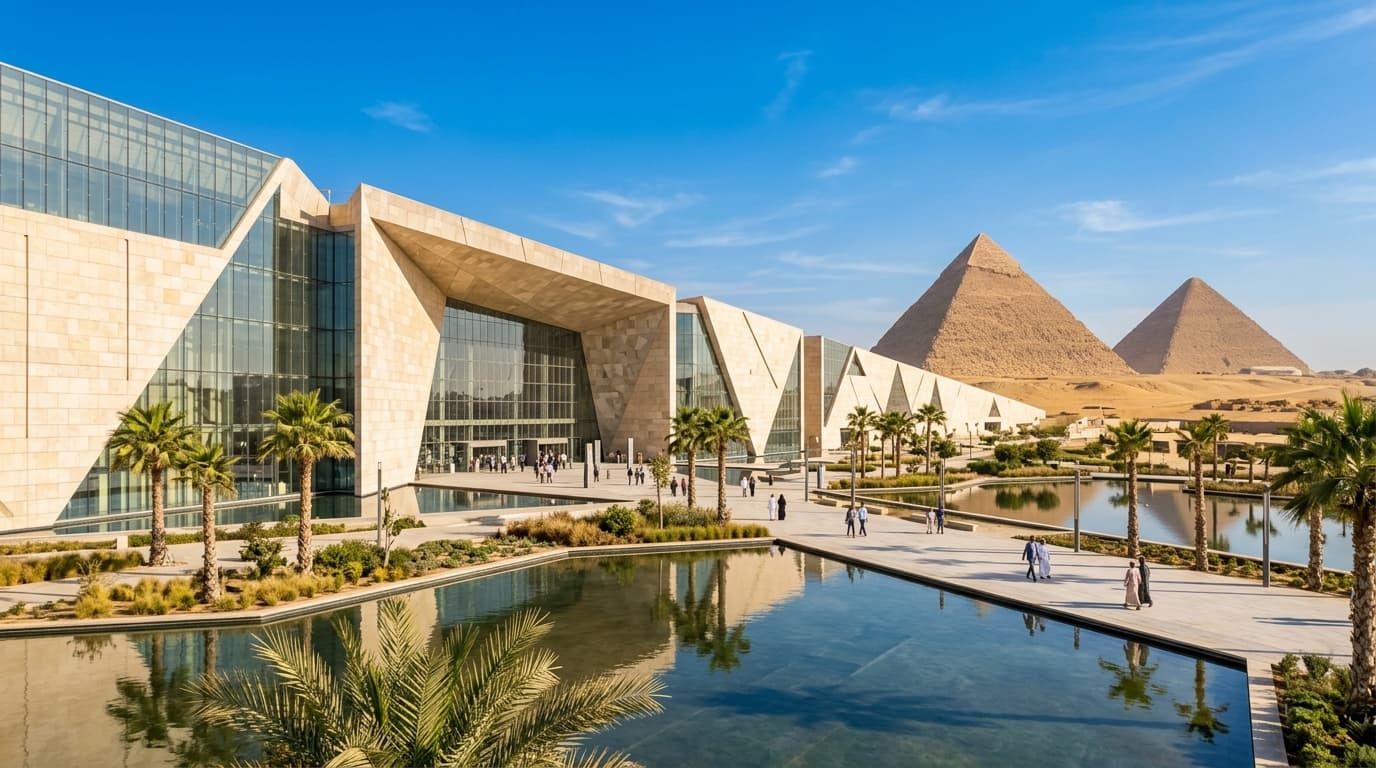
Across Southern Europe and North Africa, high-speed electrified rail networks and solar-powered desert retreats are redefining luxury. Destinations are integrating smart carrying-capacity monitoring at historical ruins and protected national parks, safeguarding fragile archaeological stones while ensuring visitors enjoy peaceful, uncrowded encounters with world history.How Travelers Can Embrace the New Sustainable Growth Era
For mindful travelers seeking transformative journeys, adopting regenerative travel practices creates deeper, more authentic connections with host destinations. Consider these essential tips for your upcoming itineraries: