Egypt Travel Simplified: E-Visas, New Airports, and Essential Tips
For generations, the mystical allure of the Pyramids of Giza, the timeless flow of the Nile, and the majestic temples of Luxor have positioned Egypt as an ultimate bucket-list destination. Yet, navigating complex visa bureaucracy, unpredictable transit logistics, and crowded airport hubs historically posed friction for long-haul international travelers. Today, a wave of transformative policy reforms and massive infrastructure investments is changing the narrative entirely: traveling to Egypt has become significantly easier, faster, and more accessible than ever before.
Driven by an ambitious national strategy to attract 30 million international tourists annually by 2028, the Egyptian Ministry of Tourism and Antiquities has executed a sweeping modernization program. From streamlined digital entry visas to state-of-the-art airports, the country is actively rolling out the red carpet for global travelers.
Egypt Tourism Visa Policy and Simplified Entry Rules
The most immediate relief for prospective visitors lies in the overhaul of entry permissions. Egypt’s government has dramatically expanded its electronic visa portal, granting citizens from over 180 countries—including Australia, North America, the UK, and European Union nations—access to quick, hassle-free online application processing.
E-Visa Expansion and Multi-Entry Flexibility
Travelers can now obtain a single-entry tourist visa online for $25 USD or opt for a recently introduced 5-year multiple-entry visa for $700 USD. The multiple-entry option caters specifically to business travelers, frequent luxury jetsetters, and digital nomads seeking a flexible base in North Africa. The e-visa application process takes only a few minutes online, eliminating the traditional burden of embassy visits or unpredictable delays at passport control upon arrival.
Strategic Airport and Transit Infrastructure
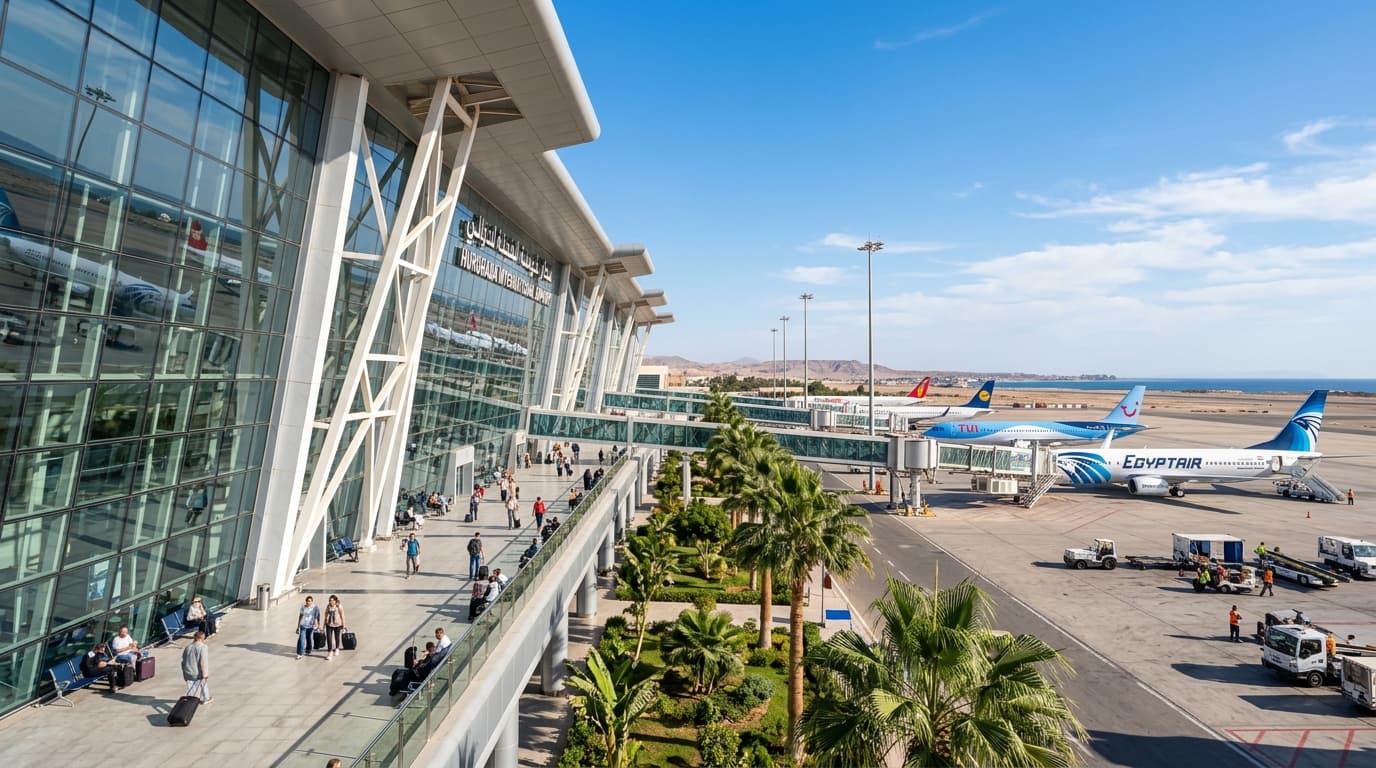
Complementing the administrative updates is a major overhaul of Egypt’s aviation network. Cairo International Airport (CAI) has undergone extensive terminal renovations to boost passenger throughput and reduce wait times. Crucially, the opening of Sphinx International Airport (SPX), situated near the Giza Plateau, allows domestic and short-haul international flights to land just minutes away from the Pyramids and the new Grand Egyptian Museum. This strategic gateway enables travelers to bypass central Cairo’s notorious traffic, saving precious hours during tight itineraries.
"Egypt’s strategic modernization of its visa framework and tourism infrastructure marks a historic turning point, transforming a bucket-list journey into a seamless, accessible reality for global travelers." — WanderPulse Travel Insights
Cultural Heritage Expansion: The Grand Egyptian Museum Era
Beyond logistics, the visitor experience itself is undergoing a historic elevation. The focal point of this cultural renaissance is the long-awaited Grand Egyptian Museum (GEM), the world’s largest archaeological museum dedicated to a single civilization.
The GEM Revolutionizing Cairo’s Tourism Landscape
Currently hosting limited trial tours of its main galleries, grand hall, and retail spaces ahead of its official grand opening, the GEM houses over 100,000 artifacts, including the complete collection of King Tutankhamun's treasures. The surrounding Giza Plateau has simultaneously received walkable pedestrian walkways, electric tourist buses, and modernized ticketing facilities to ensure comfort and sustainability.
Sustainable and Modern Hospitality Trends
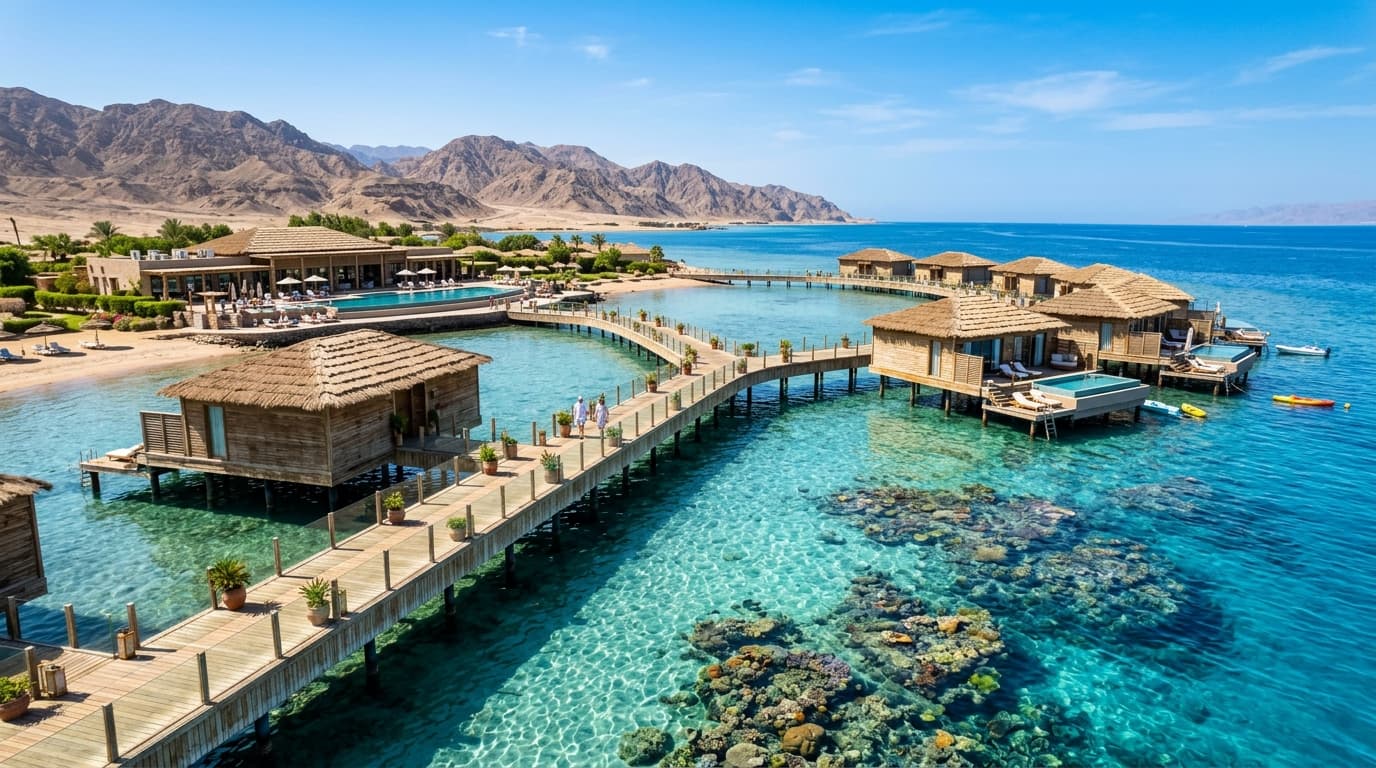
Outside Cairo, high-speed rail corridors are currently under construction to seamlessly link the Mediterranean coastal hub of Alexandria through Cairo down to Luxor and Aswan. Red Sea resort towns like Sharm El Sheikh and Hurghada are expanding eco-certified accommodation choices, creating smooth multi-stop itineraries that pair ancient history with luxury coastal retreats.
Key Destination Guidelines and Practical Visitor Advice
To maximize comfort and ease when planning a trip under Egypt’s revamped travel ecosystem, keep these vital logistics in mind:
* Apply via Official E-Visa Channels: Secure your tourist visa at least seven days before departure exclusively through the official Egyptian e-Visa portal to avoid third-party service fees. * Target Strategic Airports: Consider arriving into Sphinx International Airport (SPX) if your primary focus is exploring Giza, the GEM, and western Cairo. * Utilize Digital Payments: While local Egyptian Pounds (EGP) remain necessary for traditional souks and small tips, credit and debit cards are now widely accepted across major hotels, government-managed heritage sites, and upscale restaurants. * Pre-Book Major Cultural Sites: Reserve timed entry tickets for the Grand Egyptian Museum preview tours and popular tombs in the Valley of the Kings online to guarantee admission during peak season. * Optimize Seasonal Timing: Schedule Nile river cruises and desert excursions between October and April when daytime temperatures are mild and comfortable for outdoor exploration.
With friction points swiftly removed, the ancient wonders of Egypt are more inviting—and achievable—than ever before.