Is Egypt Entering a New Golden Age of Cultural Travel?
For centuries, Egypt has captivated the imagination of explorers, historians, and intrepid wanderers. From the awe-inspiring Giza plateau to the sun-drenched tomb complexes of Luxor, the North African nation stands as an enduring monument to human ingenuity. However, recent years have witnessed a transformation so profound that industry experts and travel journalists are asking a provocative question: Is Egypt entering a brand-new golden age of cultural travel?
Driven by massive state investments in mega-museums, cutting-edge transit infrastructure, and groundbreaking archaeological reveals, Egypt is rapidly pivoting from a traditional tourist destination to a ultra-modern global hub for heritage and experiential travel.
Egypt Cultural Tourism Expansion: Grand Museums and Ancient Discoveries
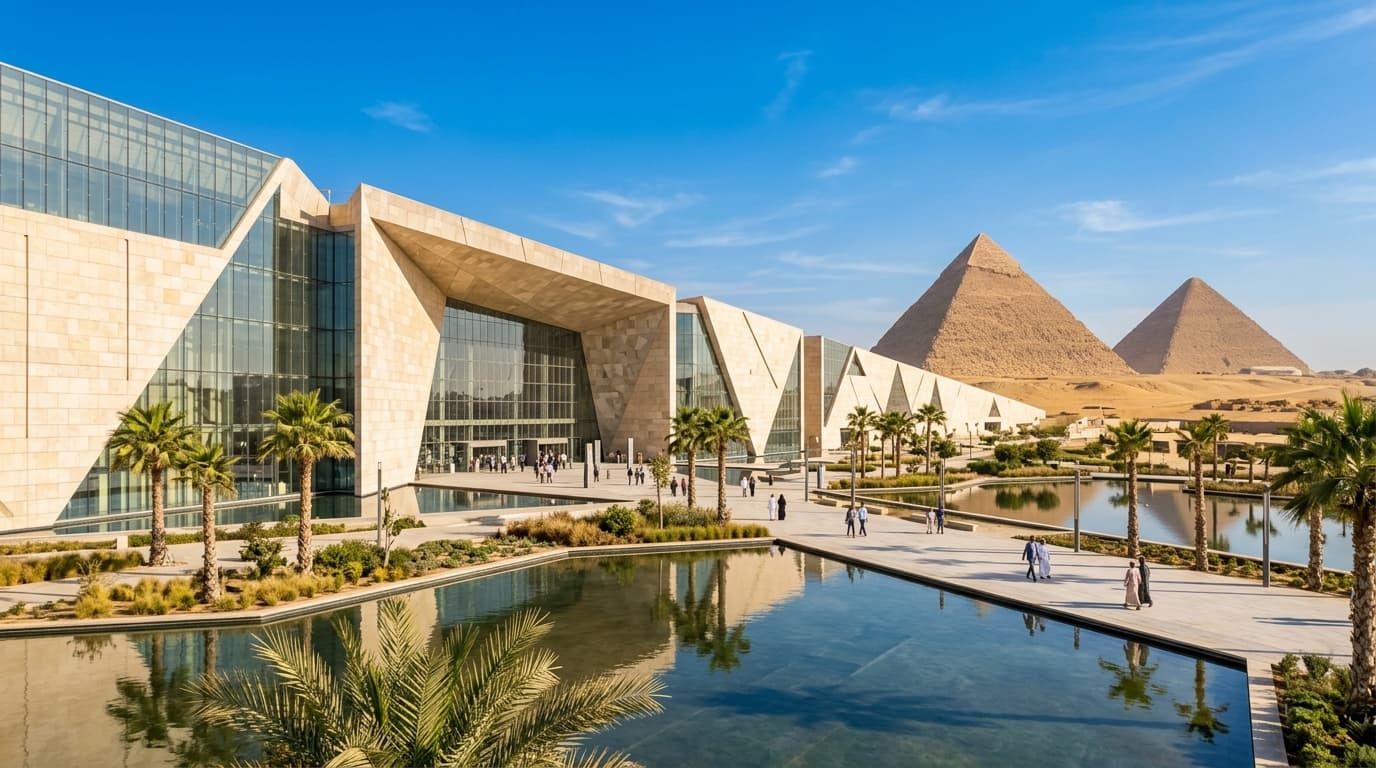
At the epicenter of this modern renaissance is the long-anticipated Grand Egyptian Museum (GEM). Situated within sight of the Great Pyramids of Giza, the billion-dollar architectural masterpiece is the largest archaeological museum complex in the world dedicated to a single civilization. Housing over 100,000 artifacts—including the complete, un-fragmented collection of King Tutankhamun’s treasures displayed together for the very first time—the GEM represents a monumental shift in how global travelers encounter antiquity.
"Egypt is no longer just preserving its ancient history; it is re-imagining how the modern global traveler experiences thousands of years of human heritage through immersive tech, world-class conservation, and majestic architecture." — Dr. Zahi Hawass, World-Renowned Egyptologist
Archaeological Revivals Across the Nile
Beyond Giza, the Egyptian Ministry of Tourism and Antiquities has conducted extensive restoration projects across the country. The grand reopening of the Avenue of Sphinxes in Luxor—a nearly two-mile ancient processional path connecting Karnak and Luxor Temples—has transformed the city into an open-air museum. Concurrently, ongoing excavations at Saqqara, the vast necropolis of ancient Memphis, continue to yield painted wooden coffins, mummified animals, and intact Old Kingdom tombs that draw international headlines almost monthly.Modern Infrastructure and Travel Accessibility Across Egypt
Historically, navigating Egypt's vast geography required long, cumbersome journeys via aging trains or regional flights. To solve this, Egypt is executing an ambitious nationwide transportation overhaul designed specifically to seamlessly connect key cultural sites with coastal resorts.
High-Speed Express Rail & New Aviation Hubs
Sustainable Heritage & Luxury Hospitality
International hotel chains and boutique luxury operators are taking notice. Legendary properties like the Mena House in Giza and Winter Palace in Luxor are undergoing meticulous restorations, while ultra-luxury brands are opening new eco-lodges in remote locations like the Siwa Oasis and the Red Sea mountains. This blend of high-end comfort and authentic local heritage appeals directly to a new demographic of discerning travelers who seek deep cultural immersion without sacrificing sustainability or luxury.Practical Advice for Cultural Travelers Visiting Egypt
Navigating Egypt during this dynamic era of expansion requires thoughtful planning to maximize your journey across time. Whether you are a first-time visitor or a returning heritage enthusiast, keep these essential logistical guidelines in mind:
Essential Logistics for Your Heritage Journey
* Optimize Your Museum Visits: Book entry tickets for the Grand Egyptian Museum and the National Museum of Egyptian Civilization (NMEC) online well in advance to secure fast-track entry during peak operating hours. * Timing Your Trip: The optimal window for cultural travel in Upper Egypt (Luxor and Aswan) is between October and April, when desert temperatures are pleasant for exploring un-roofed temple complexes. * Hire Licensed Egyptologists: To truly contextualize the complex mythologies and architectural evolution of ancient sites, always hire verified guides accredited by the Ministry of Tourism. * Respect Local Etiquette & Dress Codes: When visiting historic mosques in Cairo or rural villages along the Nile, opt for modest attire that covers shoulders and knees as a sign of respect for local customs. * Utilize Modern Digital Payments: While cash (Egyptian Pounds) remains useful for local markets and tipping, major museum sites, modern transit, and hotels now strictly require credit or debit card payments.With unprecedented access to hidden antiquities, streamlined transport corridors, and a rejuvenated commitment to preservation, Egypt’s modern cultural movement is far more than a marketing campaign—it is an extraordinary rebirth that promises to inspire generations of travelers to come.