Redefining African Tourism: How Kenya and Egypt are Capitalizing on Set-Jetting and the Creative Economy Bill 2026
The global travel landscape is undergoing a profound transformation, propelled by the rapid rise of "set-jetting"—the trend where vacationers choose their destinations based on iconic locations featured in television shows, feature films, and streaming documentaries. Across the African continent, two cultural heavyweights, Kenya and Egypt, are aggressively capturing this growing market segment. By aligning their national tourism strategies with screen media and supporting new policy initiatives like the landmark Creative Economy Bill 2026, both nations are setting a new standard for film-induced tourism and economic diversification.
Unpacking the Set-Jetting Boom in Kenya and Egypt
Set-jetting has evolved from a niche travel habit into a dominant force driving international bookings. Today's travelers seek emotional immersion, wanting to step inside the frames of the stories that captivated them at home. Rather than opting for standard itineraries, film enthusiasts seek authentic, hands-on connection with the real-world landscapes behind their favorite on-screen moments.
Cinematic Landscapes of the Kenyan Savannah
Kenya has long provided the dramatic backdrop for award-winning natural history documentaries, wildlife features, and romantic epics such as Out of Africa. However, recent surges in high-definition streaming productions have reignited global interest in Kenya's majestic landscapes. From the sweeping golden plains of the Maasai Mara to the dramatic crests of the Great Rift Valley, film tourism has expanded far beyond traditional safari enthusiasts. Modern visitors are eager to experience the exact vantage points featured in wildlife docuseries, driving demand for specialized photography tours, luxury eco-lodges, and immersive cultural encounters with local communities.Egypt’s Timeless Appeal on the Big Screen
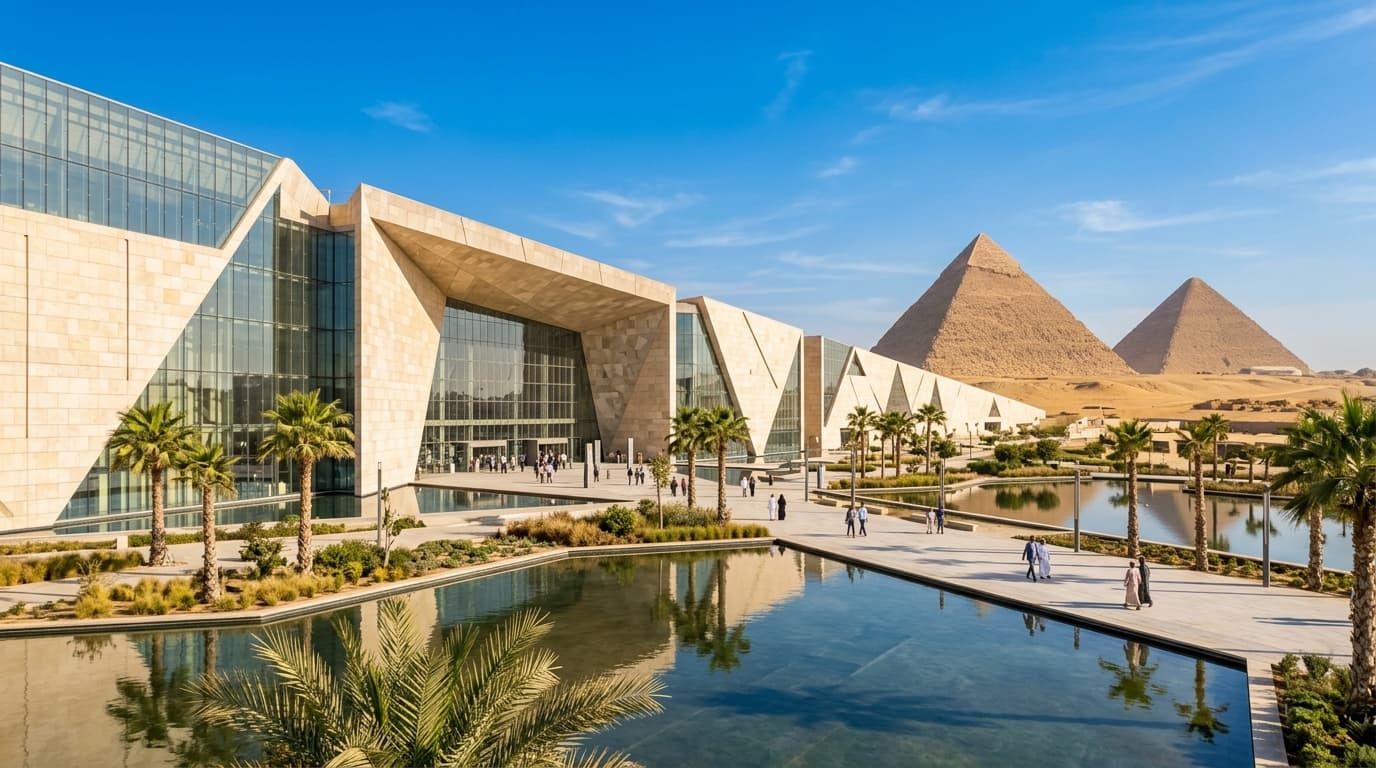
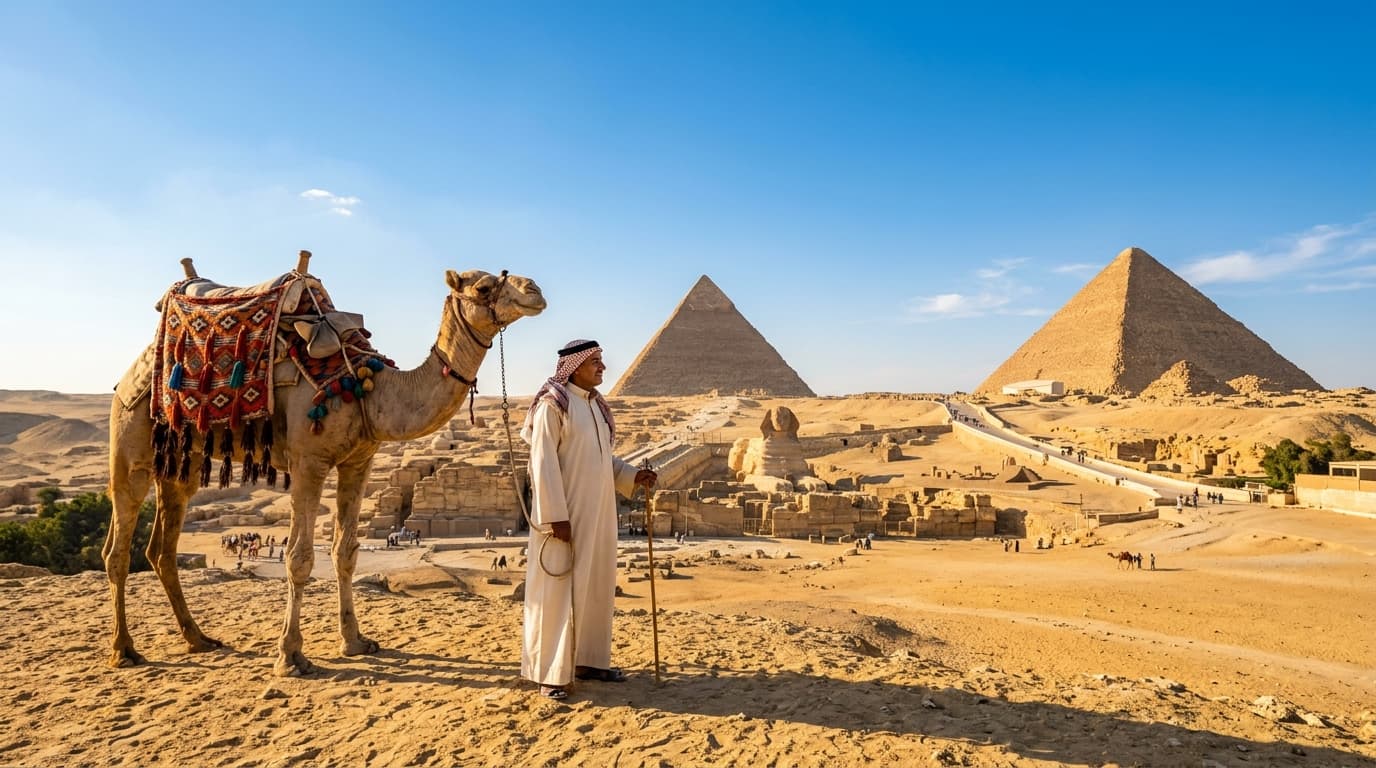
Equally compelling is Egypt's timeless allure. For over a century, the mysterious temples of Luxor, the majestic Nile River, and the iconic Pyramids of Giza have captivated cinema audiences worldwide. Recent historical dramas, adventure blockbusters, and archaeological investigative series have triggered a fresh wave of set-jetters. Travelers are flocking to Cairo, Aswan, and the Valley of the Kings to recreate cinematic journeys, explore ancient tombs, and experience sunset felucca cruises along the Nile. By connecting silver-screen imagery to tangible, on-the-ground history, Egypt continues to record surging international arrivals.The Creative Economy Bill 2026 and Strategic Policy Impact
While organic screen popularity provides a strong foundation, long-term success requires robust policy support. The introduction of the Creative Economy Bill 2026 marks a decisive turning point for both nations, establishing an institutional mechanism to maximize the economic cross-pollination between the entertainment industry and hospitality sectors.
Institutionalizing Film Incentives and Infrastructure
The Creative Economy Bill 2026 provides clear framework incentives designed to attract major international production houses while simultaneously nurturing local creative talent. By offering competitive tax rebates, streamlined filming permits, and modern production facilities, the bill ensures that Kenya and Egypt remain top choices for international filmmakers. Consequently, every blockbuster filmed on location acts as a multi-million-dollar global advertisement for national tourism.Fostering Local Artistry and Cultural Tourism
Beyond attracting foreign film crews, the legislation directly supports local artisans, actors, musicians, and heritage guides. By protecting intellectual property and subsidizing local creative hubs, the bill ensures that the wealth generated by set-jetting filters directly down to grassroots communities. Visitors benefit from enriched, authentic cultural offerings, ranging from local film festivals to guided heritage tours led by historians and creative professionals."Film-induced travel is no longer a happy coincidence—it is a calculated strategic pillar. The Creative Economy Bill 2026 bridges the gap between storytellers and tourism boards, turning screen time into a real-world traveler footprint."
— Dr. Amira Hassan, Senior Analyst at the Global Travel Policy Institute
Essential Guidelines and Practical Advice for Set-Jetters
For travelers planning a screen-inspired expedition to Kenya or Egypt, seamless logistics and cultural respect are key to an unforgettable journey. Below are critical tips for organizing a film-focused itinerary:
* Book Film-Certified Local Guides: Partner with local tour operators who offer specialized set-jetting itineraries. These guides provide rich context behind famous filming locations and access to off-the-beaten-path historical sites. * Plan Around Shooting Schedules: Check local film board schedules prior to booking. Popular filming sites in Cairo, Luxor, or Kenyan conservancies may occasionally experience temporary access restrictions during active production windows. * Respect Wildlife and Cultural Heritage: When visiting delicate ecosystems like the Maasai Mara or ancient archaeological monuments in Egypt, adhere strictly to local conservation laws and leave-no-trace principles. * Secure Necessary Photography Permits: While casual smartphone photography is widely accepted, travelers bringing specialized camera gear or commercial drones must secure appropriate clearance from national civil aviation and film authorities in advance. * Support the Local Creative Economy: Purchase authentic handicrafts, attend local film screenings or music performances, and patronize independent eateries to ensure your travel spend directly benefits host communities.
As Kenya and Egypt continue to harmonize their creative industries with global travel trends, set-jetting stands to remain a dominant engine of sustainable tourism growth across Africa for years to come.